デリケートゾーンのにおい
デリケートゾーンのにおいってどれくらい気になりますか?
個人的には、見た目以上に気にしてほしいと思っています。
女性特有のツンとしたにおいが好きっていう猛者もいますが、やっぱり無臭か少し体臭がする程度の方が女性として魅力的だなと思います。
「言われなくてもケアしてる、余計なお世話」と思うかもしれませんが、男はにおっていてもガマンしてるんです。
彼女のデリケートゾーンが臭う…
以前付き合っていた彼女は、ぼくが出会ってきたなかでも過去最凶に強烈な臭いを放っていました。
彼女の後に入ったトイレは吐き気を催すレべル(ひどい表現ですがマジです)。
きっついチーズのような、生ごみのような強烈な臭い。
便座を上げるときは息を止めないと辛かったです。
女性からこんな臭いがでるもんかと、当時のぼくは衝撃を受けると同時にかなり幻滅しました。
実は、今も軽くトラウマになってます。
病気ではないけどくさい
彼女の膣の状態や、おりものなど、過去の記憶を思い出してネットで調べました。
ぼく自身も当時性病検査を受けたりしましたが、病気とか感染症とかじゃないんです。
医者に彼女のにおいについて聞いても、汗とかムレが原因かもね~、とハッキリせず。
とはいえ、臭いが気になるから病院行こうとも言えないし、困っていました。
それで、女性経験の多い友人に聞いてみました。友人曰く、関係を持った女性の8割くらいは臭うと言っていたんです。
それって友人の女性関係が…アレだから…?
って思ったけどガチギレされたので違うみたいです。
デリケートゾーンの対処法
アソコの臭いなんて指摘したら女の子は傷つくし怒るだろ?
マサムネ
そう言った友人は、あるものを渡してきました。
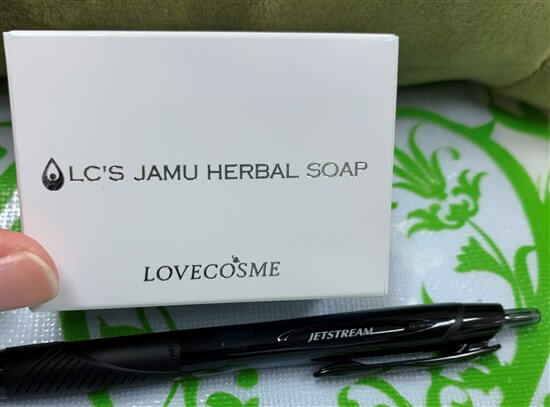
手のひらにすっぽり収まりそうなほど小さな箱の石けん。
コレを泡立てて、気になるところ5分くらいパックしたら臭いなくなる。
まずは自分で試してみ?
マサムネ
友人は女性と一緒にお風呂に入りながら、このパックをしてあげているそうです。
女性は喜ぶし、臭いはなくなるし、女性も傷つかない、一石三鳥なのだとか。
明日彼女が泊りに来るから急いで買いたかったのに…、このジャムウってせっけん、通販限定販売なんだそうです。
その日は友人のストックから未開封分を頂きました。
ジャムウを使ってみた
まずは自分で使ってみようと思い、手で泡立ててみますがなかなか上手くいかない・・・。
水っぽくなるだけでした。
そういえば友人が泡立て用のネットも使えと言っていたのを思い出し、彼女の体を洗う用の泡立てネットをこっそり借りました。
ぬるま湯を少し石けんに足して、軽く水気を切った泡立てネットでこすると、ふわふわの泡ができました。
自分の体で気になるところ、耳裏、首回り、脇、股、足の裏につけて5分放置。
ジャムウを使ってみた感想
洗い上がりはさっぱり。つるつるキュキュッとした肌触り。
自分の脇を嗅いでみたけど、ボディソープなどにありがちな香りは全くなく無臭に近い。
ちょっとだけ粘土っぽい臭いはしたけど、よほど敏感じゃない限り気にならない程度。
耳の裏や足の裏を指でこすって確認してみたけど、体臭らしいにおいはない。
いや、今だけかもと思って風呂を上がり、寝る前にもう一度確認。
いつもなら自分の体臭ぽいにおいがするのに、この日はほぼ無臭だった。
さっそく彼女に使ってみた
自分の時と同じ要領で泡立てて、脇、耳裏、首回り、胸、股・・・もうほぼ全身を泡でパックした。
彼女といちゃつく振りをしながら、だからなかなか大変だった・・・。
5分くらい経って全身を洗い流したら、彼女から漂っていたツンとした臭いが感じられなくなった。
脇も首筋も股も臭わない。
彼女の体臭が感じられないのが多少残念なものの、イヤな臭いが一切しない、それだけでも十分すごい。
おかげで彼女と仲良くなれたし、泊まりも素直に歓迎できた。パックはその日1日もつから、トイレに行っても臭くない。
風呂でパックするだけだから簡単だし、臭わないから家にいるときはぼくも制汗剤を使わなくなった。
ジャムウって結構する
友人に結果を報告しに行くと、2000円請求された。あの石けんって2000円もするらしい。結構する…。
でも臭くなかったろ。臭いがきつい女とは即行別れてたけど石鹸つかってからだいぶマシだな。
俺も無臭になるしな。
マサムネ
別れる程ではないと思うけど…、まぁ幻滅するのは確かだな、と思う。
臭いを断つって意味ではかなり優秀なアイテムかもしれない。ドラッグストアでもこういうの売ってないんだし。
ただジャムウって石鹸、湿気や湿度に弱いらしく、使い切る前にでろでろに溶けてしまった。
彼女と何回かジャムウを使ううちに、臭いを感じないことに気づかれ、仕方なく種明かししてしまった。
彼女にはちょっと悪いことしたけど、「会社でトイレ使う時に臭いが気にならなくなった」と感謝されました。
結構簡単に買えた
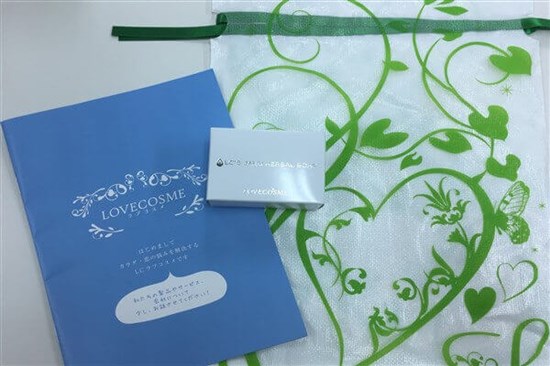
友人に石けん代を返して、買えるサイトを教えてもらった。
女性特有の悩みに特化したサイトだったのでちょっとドキドキしたけど、結構シンプルで見やすいから簡単に注文できた。
女性が好きそうなスキンケア、ヘアケア商品から、媚薬っぽいのとかいろいろ売ってて品揃え豊富だった。
彼女に教えてあげたら、さっそく何か買ってましたw
彼女も石けんを2個買ってたけど、まぁ、毎日使うものだからいいか。
ジャムウの肌への影響
せっけんなんかつけて大丈夫?
かぶれたりしないかな…。
大切なところだし、気軽に相談できないからこんな不安もあると思います。
ぼくや彼女が使っている限りでは、痛み・かぶれ・かゆみなどは全く感じませんでした。
むしろ、臭いがなくなって不快さがなくなり、臭いを気にしないでいいから薄着でいられる気持ちよさだけが残りました。
電車とかバスの移動中も、「今におってないかな?」って心配もなくなったから、ストレスも感じない(*‘∀‘)
汗や体臭が気にならないだけで、人との接近や距離感が気にならないって新たな発見もあった。
肌への悪影響もないし、ストレスも抱えなくてすむし、ぼくらは使ってみて正解だったと言える。
ジャムウの口コミ
ジャムウってにおいに敏感な女性の間では意外と有名みたいです。
使い方をていねいに説明してくれてるのはありがたい!
ジャムウ石鹸人気ランキング⇒引用サイト⇒https://t.co/d9faxxG7qh
— すそわきが改善対策への道!!相互フォロー (@susowakiga) December 9, 2018
ジャムウはWHO(世界保健機構)が効果を認めたアーユルヴェーダの一つ。WHOとは全人類の健康水準向上を目的とした国連の機関でもっとも信頼できる情報源
#ジャムウ #アソコが臭い #人気
引用元:Twitter
「彼が顔をそむけてた強烈なあそこのニオイ」ってフレーズ…すごいな。
— クリコ🍒cherry me (@kurico_chan) February 20, 2018
でも、ジャムウ石鹸の強力さは、本当に嘘偽りなくスゴイと思う✨#ジャムウ #LCラブコスメ #cherryme https://t.co/V3yt6r1i2f
引用元:Twitter
ジャムウハーバルロールを購入してほぼ毎日つけてるせいか、うっかりつけ忘れても匂いが気にならない(⊙⊙)!!!
— ゆっけ (@kotenyan56) July 1, 2016
ジャムウ恐るべしッ!#ジャムウ#ラブコスメ
引用元:Twitter
ジャムウ石鹸で3分パックする時のコツ
— うづきち@カジャラ2/21 (@skygray_uduki) August 29, 2015
①泡立てネットを濡らしすぎない!濡らしたらちょっと水気を飛ばす②石鹸をネットにつけて少し泡立ったらそこにハーバルローションを少し垂らしてさらに泡立てる
すると普通よりもっちりの泡になります!パックしても泡が流れない! #ラブコスメ #ジャムウ
引用元:Twitter
#美容垢 としておすすめしたい
— MONAGA (@biyo_5) February 5, 2019
LCの商品「ジャムウ石鹸」
黒ずみと臭いを綺麗に落としてくれる。
デリケートゾーンに使えるくらい安心な石鹸はないよね🥺
泡立ててから気になるところに3分乗せるだけ
これだけで、乳首の色、三日目にして色の変化をかなり感じている#美容垢さんとさんと繋がりたい pic.twitter.com/cGpYd8oKAO
引用元:Twitter
ジャムウ・ハードバブルを使ってみたけど、色明るくなったかも!と思う。 アザも薄くなってるような。肌もつるつるしてる!と思う笑
— (すまたの)ねねこ (@sumatano_neco) August 19, 2015
ちょっと頑張って毎日使ってみよ!#ラブコスメ #ジャムウ
引用元:Twitter
ジャムウの口コミまとめ
ぼくの彼女の場合、顔を背けるというよりやる気がそがれるレベルでした。
それを泡パックだけで気にならないレベルにしてくれたジャムウは、本当にすごいと思います。
失いかけてた女性の自信を取り戻したり、男のやる気も引き出してくれたりと、小さな石けんが大活躍。
毎日ケアしていたら、うっかり付け忘れても大丈夫だった人もいるみたいだし。
継続していくことが大事なんだなってしみじみ思います。
デリケートゾーンに使えるほど安全性が高いのも、あんしんできますね。
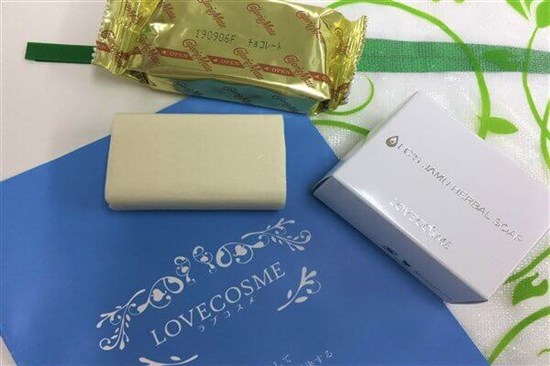
手元にあったカロリーメイトと大きさ比較してみました。
女性の小さな手でも扱えそうな大きさですよね(*^▽^*)
ジャムウのまとめ
臭いケア以外にも、気になる黒ずみにも効くらしいです。
胸とか股とかの黒ずみって、女性は結構気になるらしいですね。
ぼくの彼女も臭い以外に黒ずみもケアする!って毎日パック頑張ってます。
おかげで汗や体臭のにおいも感じません。
彼女が言うには、ビキニラインをキレイにしてると、脱毛の時に施術士に褒めてもらえるのだとか。
「キレイなビキニラインですね」って言われるのをとても楽しみにしているみたいです。